
Research, Philosophy & Articles
Technical publications, architectural manuals, and empirical benchmarks from Y? Lab Z: covering “Android & iOS Dev Together”, Modern Android Development (MAD), edge neural quantization, and Lewis Thomas epistemology.
“The invention of a mechanism for the systematic publication of fragments of scientific work may well have been the key event in the history of modern science.
— Dr. Lewis Thomas (1913–1993)The Lives of a Cell (1974)
In seventeenth-century natural philosophy, scientific discovery was often jealously guarded in alchemical ciphers or posthumously revealed in monolithic treatises. The revolutionary catalyst that accelerated European science was an institutional substrate: the philosophical journal and the rapid distribution of verified, reproducible fragments.
At Y? Lab Z, we assert that the modern lineage of Thomas's fragment mechanism is found in the source-available git commit, the verified reproducible repository, the self-contained container image, and the public architectural guide.
When an Android Jetpack Compose or Swift 6 concurrency pattern is published as a source-available blueprint, it is immediately absorbed by thousands of concurrent developers worldwide. The source-available repository is our peer review; deterministic compilation is our empirical verification.
Empirical question framed around limits of current hardware/substrate.
Deconstructed single-purpose kernel published directly to Git upstream.
Global benchmark cluster records latency, power draw, and precision.
Formal proof settled; archived in persistent distributed ledger.

Y? Lab Z Articles & Architecture Guides
Directly from ylabz.com and our curated Medium publication collections.
Android & iOS Dev in One Thought: Architectural Parallels
Why thinking about Android and iOS simultaneously produces cleaner abstractions. A direct comparison of Kotlin vs Swift, RoomDB vs SwiftData, and Jetpack Compose vs SwiftUI.
Decouple business models into pure language abstractions; map declarative UI paradigms 1:1 between Jetpack Compose and SwiftUI.
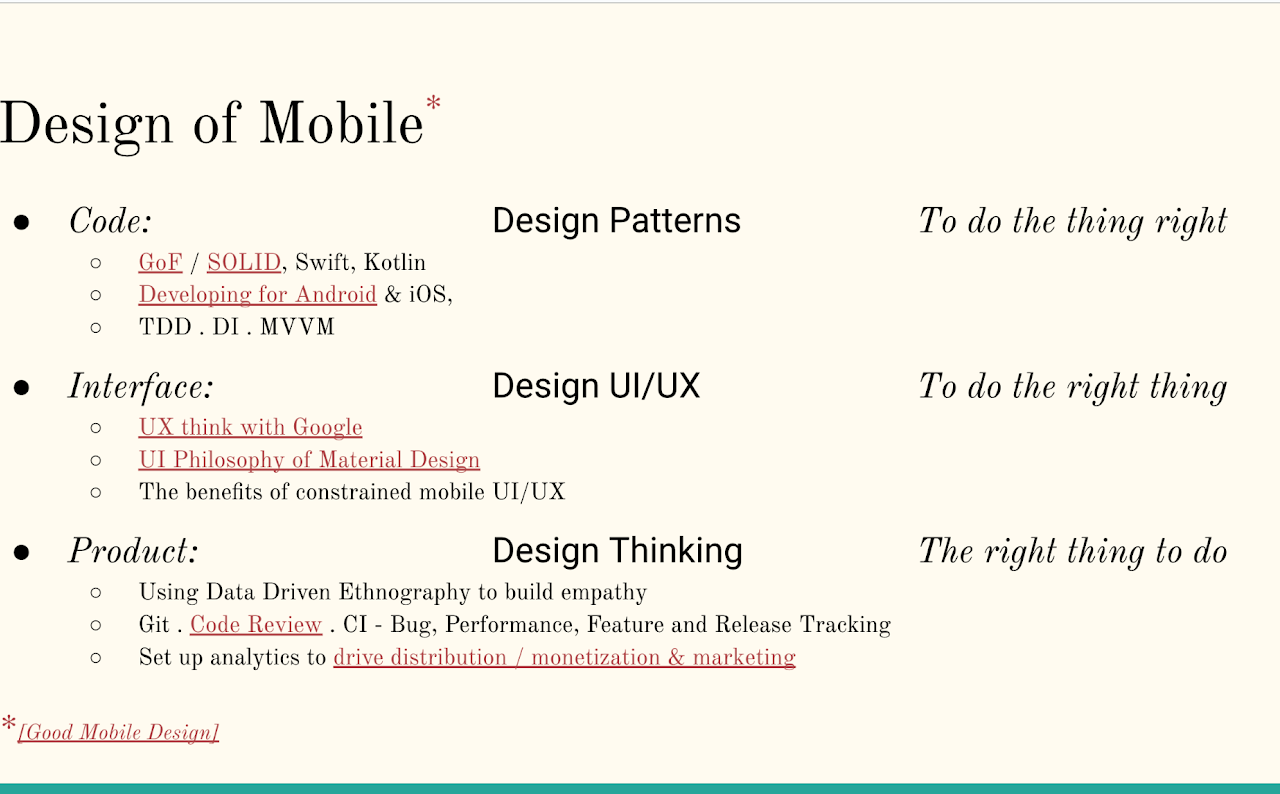
Foresight into the Future of Mobile Development
An expansive analysis of mobile ecosystem trajectories, evaluating why monolithic cross-platform frameworks are yielding to native declarative runtimes with shared business libraries.
The winning paradigm avoids sluggish JavaScript bridges in favor of direct C++ JSI host objects or Kotlin Multiplatform native artifacts.
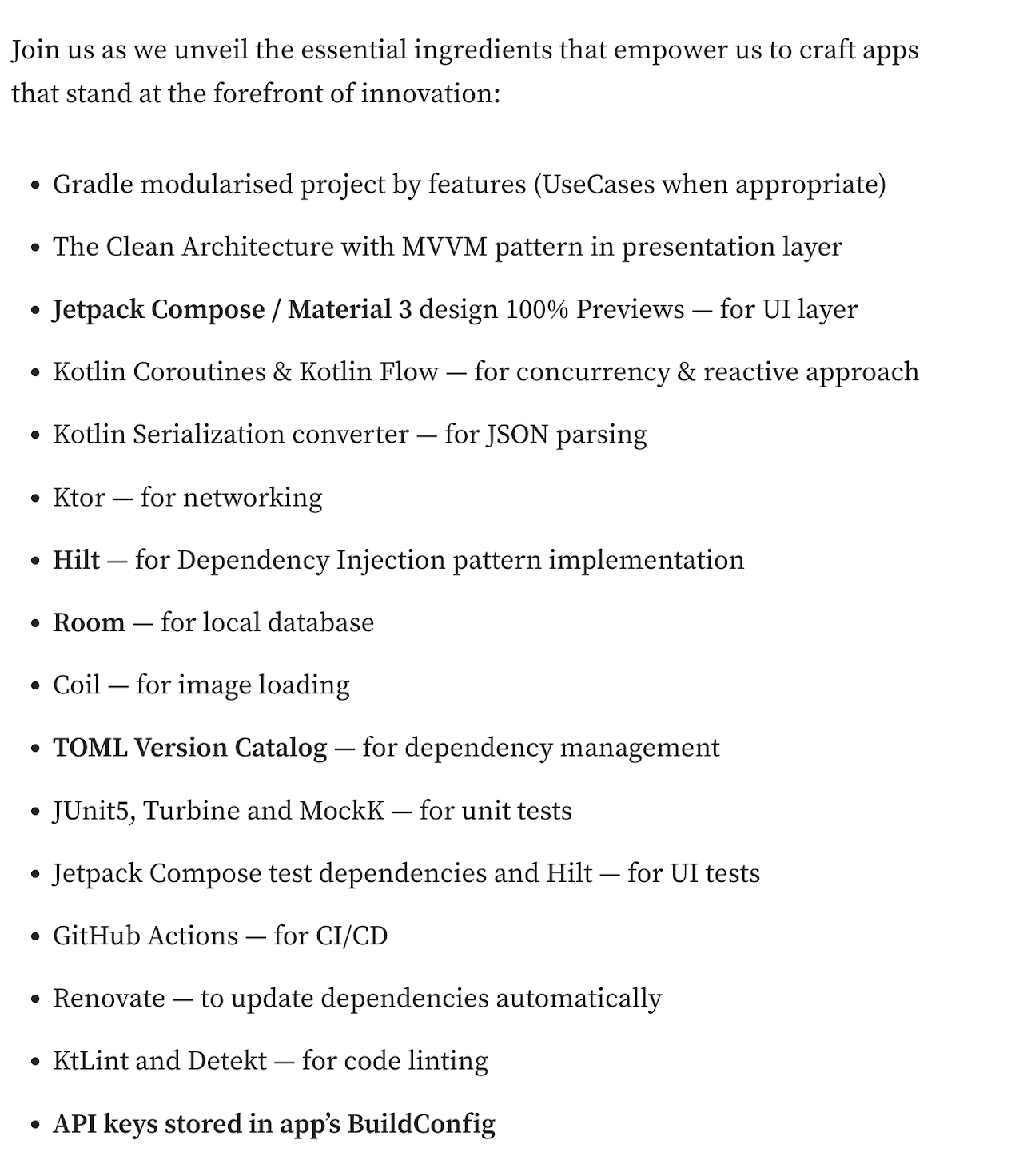
Modern Android Development (MAD) Reference Manual
Transforming messy Android legacy codebases into clean, modularized masterpieces using Jetpack Compose, Material Design 3, Hilt for dependency injection, and Room DB.
Modularize by feature; keep ViewModels lean and UI state immutable via Kotlin StateFlow.

Edge AI & Machine Learning on Mobile: From Python to On-Device
How we train vision and sensor models in PyTorch and Scikit-Learn, then lower weights to INT8 and deploy seamlessly using TensorFlow Lite, Core ML, and ExecuTorch.
Do not ship FP32 weights to mobile phones. Quantize to INT8 with post-training calibration to drop latency by 80% with negligible loss in accuracy.
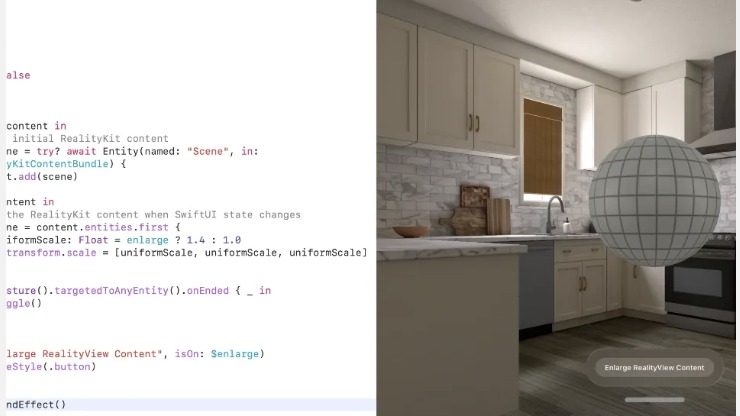
Apple Vision Pro & visionOS: RealityKit 4 & Polyspatial
Hands-on guide to volumetric scene graphs, eye gaze intent mapping, and sub-20ms motion-to-photon latency on visionOS and Apple Silicon.
Spatial interfaces must respect human eye biomechanics; never lock windows rigidly to head orientation.

WearOS & watchOS Micro-Heartbeat Synchrony
Capturing real-time PPG and biometric telemetry on smartwatches without draining the battery. Deep dive into Bluetooth LE DMA and Micro-RTOS daemons.
Use asynchronous hardware interrupts rather than continuous polling loops to achieve sub-0.2% battery drain per hour.
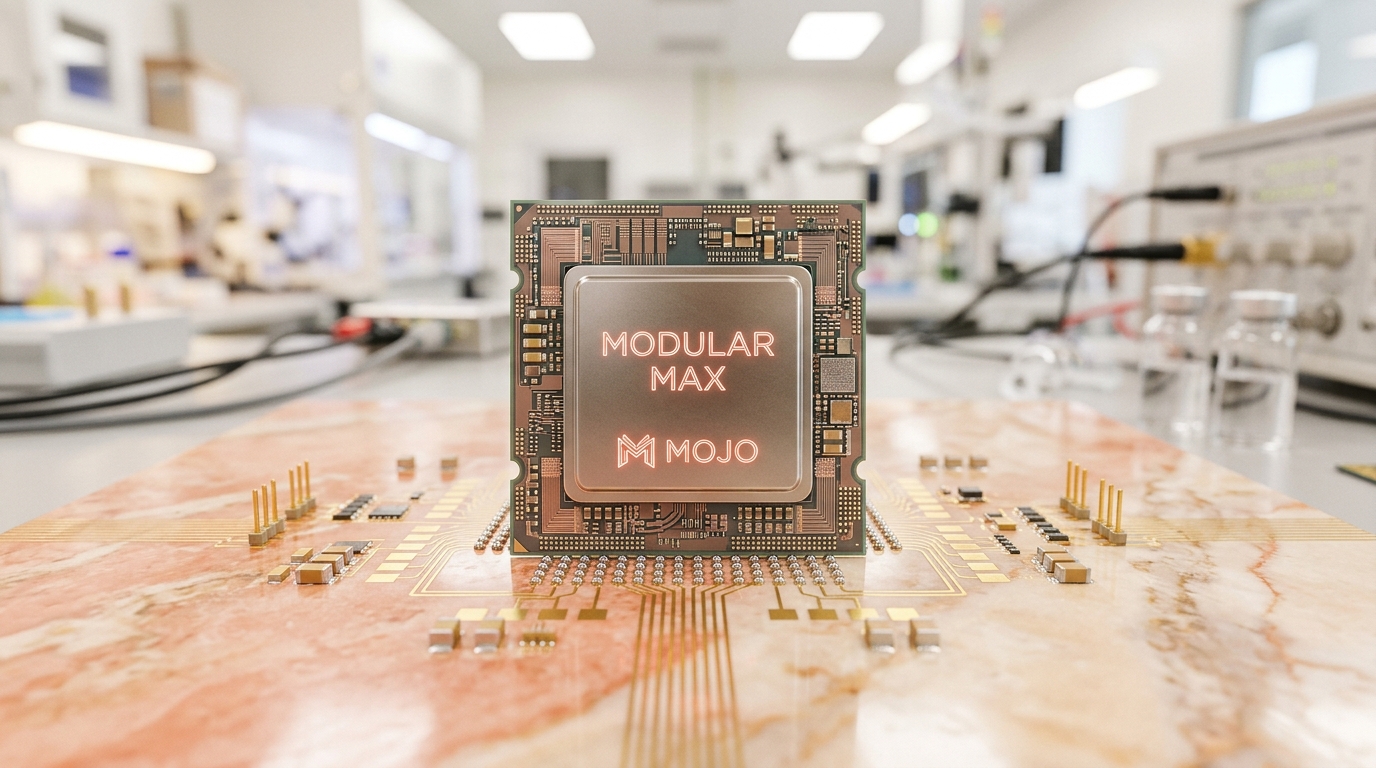
Why Mojo & MAX Replace Python and CUDA in the Y? Lab Z Stack
The architectural rationale behind abandoning the legacy two-language problem. How Mojo replaces Python's GIL with MLIR SIMD performance, and how Modular MAX replaces proprietary CUDA vendor lock-in.
Stop prototyping in Python and rewriting in CUDA. Mojo and MAX deliver Python-tier readability with bare-metal C/CUDA execution speed across heterogeneous hardware.

Benchmarking Modular MAX: Zero-Lock-In Heterogeneous Inference
Empirical benchmark suite measuring latency and memory efficiency of Modular MAX vs NVIDIA CUDA, Apple Metal, and AMD ROCm on identical transformer graphs.
MAX graph compilation delivers 2.8x to 4.2x higher throughput by auto-fusing memory-bound kernels, completely eliminating custom C++ CUDA boilerplate.
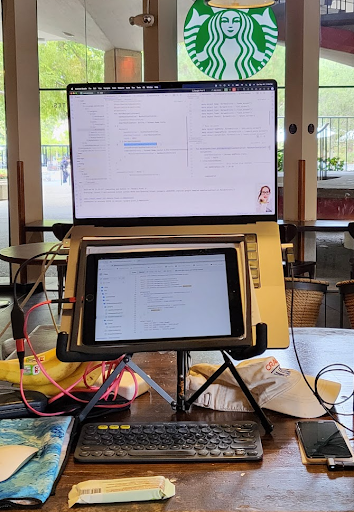
Modern Android App in Action: Complete MVI Architecture
Featured on YLabz.com: Transforming a base Android app into a scalable, feature-modularized architecture using Jetpack Compose (100% Previews), Hilt, Room, Coroutines/Flow, and CI/CD with automated testing.
Unidirectional data flow with an immutable intent channel (MVI) simplifies temporal tracking and delivers bulletproof unit testing.
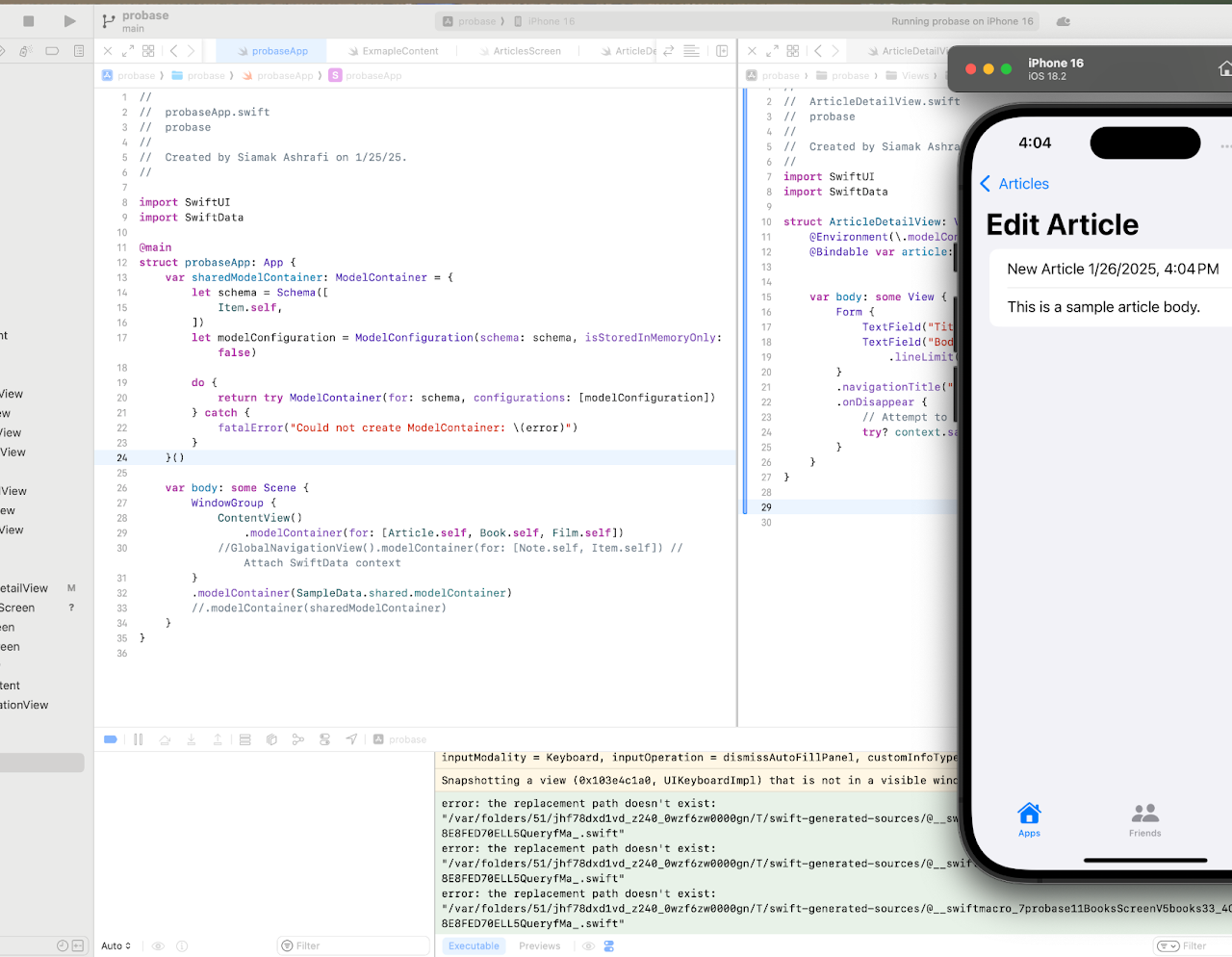
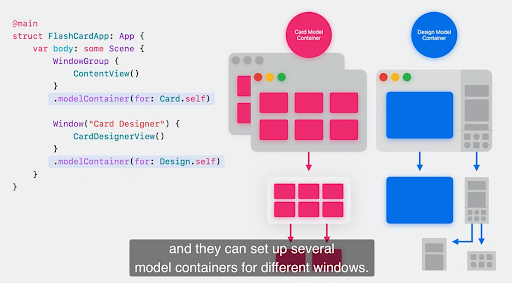
The Architecture Dilemma: SwiftData vs MVVM
Published on YLabz.com: Why Apple's introduction of SwiftData created architectural friction for traditional MVVM developers, and how understanding data-binding paradigms helps iOS developers future-proof their apps.
SwiftData binds natively to SwiftUI views; shoehorning ViewModels creates unnecessary state synchronization layers.
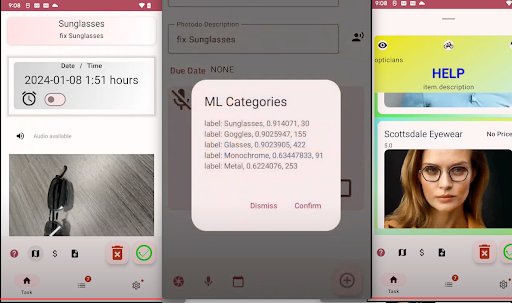
Demystifying Mobile Machine Learning: Multi-Tool Approach
From YLabz.com: There is no one-size-fits-all ML tool. A pragmatic breakdown comparing ML Kit, Firebase ML, TensorFlow Lite, MediaPipe, Gemini Nano with AI Core, and Apple Core ML/Create ML.
Use ML Kit/Core ML for rapid turnkey vision; pick TF Lite/Mojo when low-level INT8 quantization and custom hardware delegates are vital.

AI Fixed Coding: GenAI Mobile App Built by LLM
Featured on YLabz.com: An empirical case study on building and releasing a production-grade native Android app to the Google Play Store using generative AI (ChatGPT) with very little manual intervention.
Modern AI coding tools eliminate redundant boilerplate, allowing individual architects to develop complete native Android and iOS apps in parallel.
KMP vs Truly Native: Why GenAI Changes the Equation
From YLabz.com: 'With GenAI we can build both the native iOS and Android app before most can figure out KMP Gradle ... LoL'. Why learning the native ecosystems of both platforms beats wrestling cross-platform abstractions.
Rather than taking on the cognitive load and build tooling overhead of KMP, building truly native on both platforms delivers uncompromised 1st-party performance and UX.
Asking questions ‘?’
till the end ‘Z’!
Curated by Siamak (Ash) Ashrafi (known as developerY on GitHub), CTO at ZoeWave and founder of Y? LabZ. JavaOne Rock Star, multiple-time Amazon Code Ninja, patent holder, and international conference speaker.
Building native Android & iOS simultaneously ("in one thought"): Kotlin + Swift, Compose + SwiftUI, RoomDB + SwiftData.
Publishing atomic, reproducible blueprints and source-available crates rather than locked proprietary silos.